
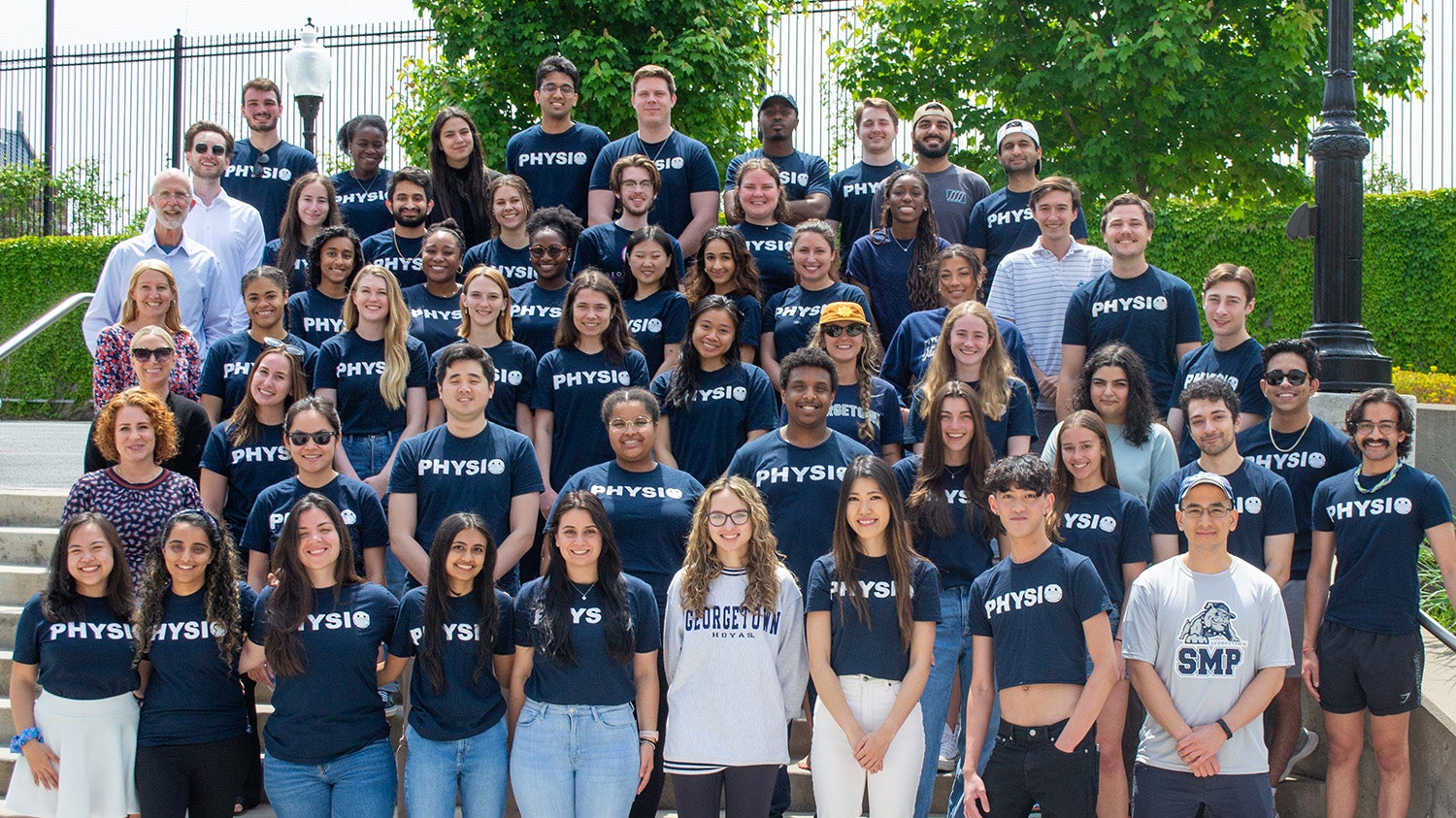
Georgetown Special Master’s Program Marks Over 50 Years of Transformative Pre-Medical Education and Community
When students and alumni talk about the Georgetown University Special Master’s Program (SMP) in Physiology & Biophysics, one of the first things they mention is community. The students known as Physios lean on one another to get through a famously grueling regimen of medical and graduate classes often called “the best and worst year of your life” – and when they emerge on the other end, they’ve made friendships that will stay with them long after medical school. And they remain dedicated to supporting their fellow former Physios, as well as serving as mentors at clinics, hospitals and universities across the country.
“As I’m getting older and I’ve gotten more education roles, I feel it’s very important for us to give back what we learned to the younger generation,” said Dr. Tsuyoshi Todo (G’01, M’06), an SMP alumnus and transplant surgeon at Cedars-Sinai Medical Center in Los Angeles. “So … I like being the fellowship director and really challenging my trainees in a way that my mentors challenged me.”
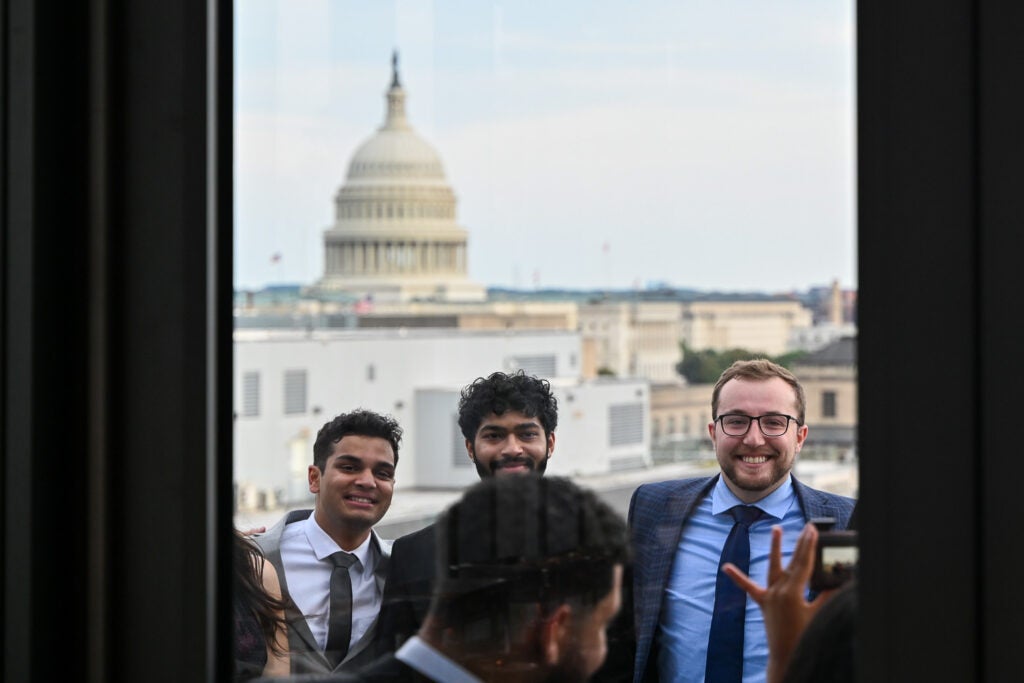
Physios of the Class of 2026 pose for a photo during SMP Prom at Georgetown’s Capitol Campus.
As the Physios of the SMP’s 51st graduating class – the Class of 2026 – finish their final exams and dance the night away at their end-of-year “prom,” current students and some of the program’s nearly 6,000 alumni made time to speak about how their SMP experience has shaped their skills and self-confidence, their careers, and their impact in medicine.
The SMP has led students into medical school and medicine-related careers for the past 50 years. As a founding program in specialized pre-med training, it now faces much more competition but is still regarded as one of the best programs in the country. Congratulations to the students, faculty and staff who’ve made it such a success!
Anna Tate Riegel, Ph.D., M.S., Vice Dean for Biomedical Graduate Education, Georgetown University School of Medicine; Vice President for Research, Georgetown University Medical Center
Trial by Fire
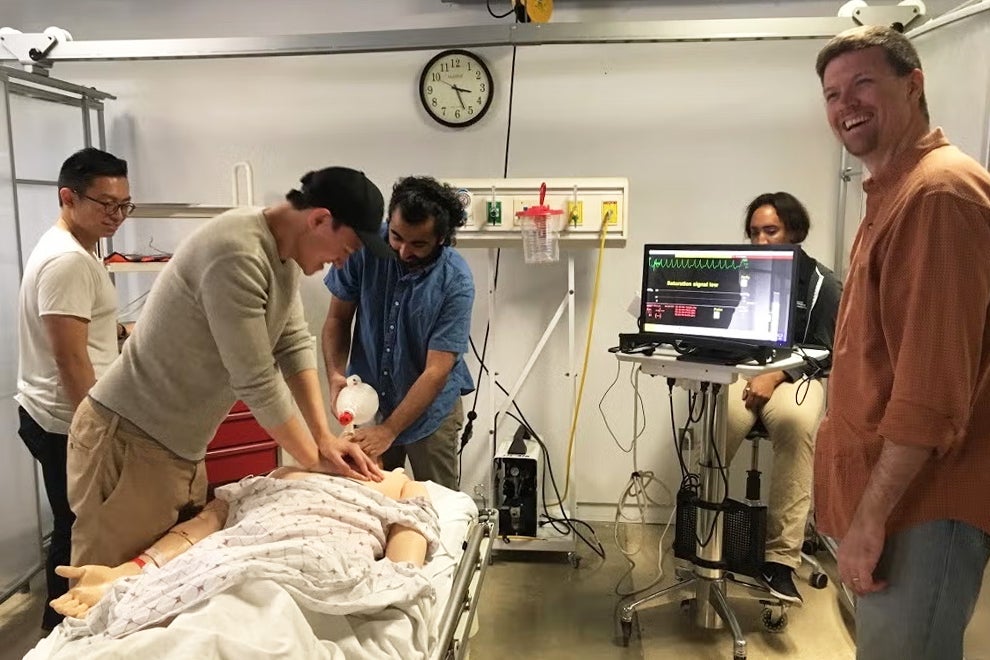
SMP students tend to a “patient” in the MedStar Health Simulation Training & Education Lab (SiTEL).
The SMP is designed for aspiring medical doctors who need to strengthen their resumes to get into med school. The program’s strategy: put students in Georgetown University School of Medicine (SOM) first-year medical classes, and grade them on the med students’ curve to prove they can keep up. On top of the medical courses, Physios take graduate classes that expose them to a variety of medical careers, send them out as volunteers in the Washington, D.C., community, and prepare them to apply or re-apply to M.D. or D.O. programs.
The academic rigor of the SMP gets results: About 85 percent of Physios get into medical school within two years of the master’s program.
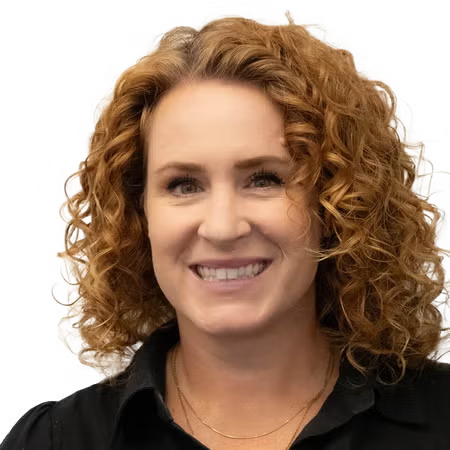
Jennifer Whitney (G’08)
“We think of it as quite an honor to help these students get started,” said SMP Director Jennifer Whitney (G’08). “We tell them it’s like a gym membership. We’re the gym, you have to come in and do the work, but we set up the gym for you.”
Physios and faculty recount legends about how hard the students have to work. Late-night group study sessions that went on till the library closed down, then picked up and moved to the Leavey Center to keep reviewing. Weekends spent studying for a Monday exam, followed by midday celebrations at The Tombs. Tearful conversations in professors’ offices, distilling anxiety into resolve.
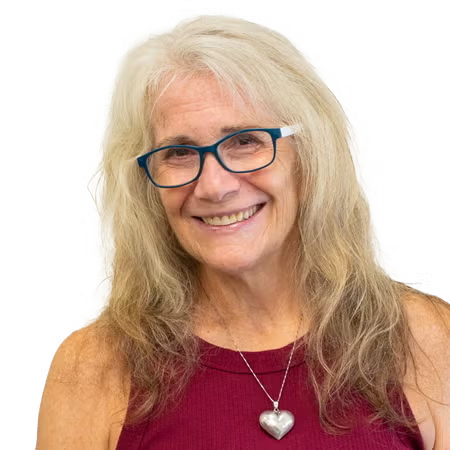
Susan Mulroney (G’90)
“Some of the things the students persevere through are just incredible,” said Professor Susan Mulroney (G’90), director of the SMP from 2006 to 2021. “They’re so strong. And it’s going to be what makes them good physicians. … They’re amazing.”
Many Physios cite the difficulty of the SMP as the reason they came to Georgetown in the first place. The first program of its kind in the United States, the SMP has earned a strong reputation in med school admissions offices.
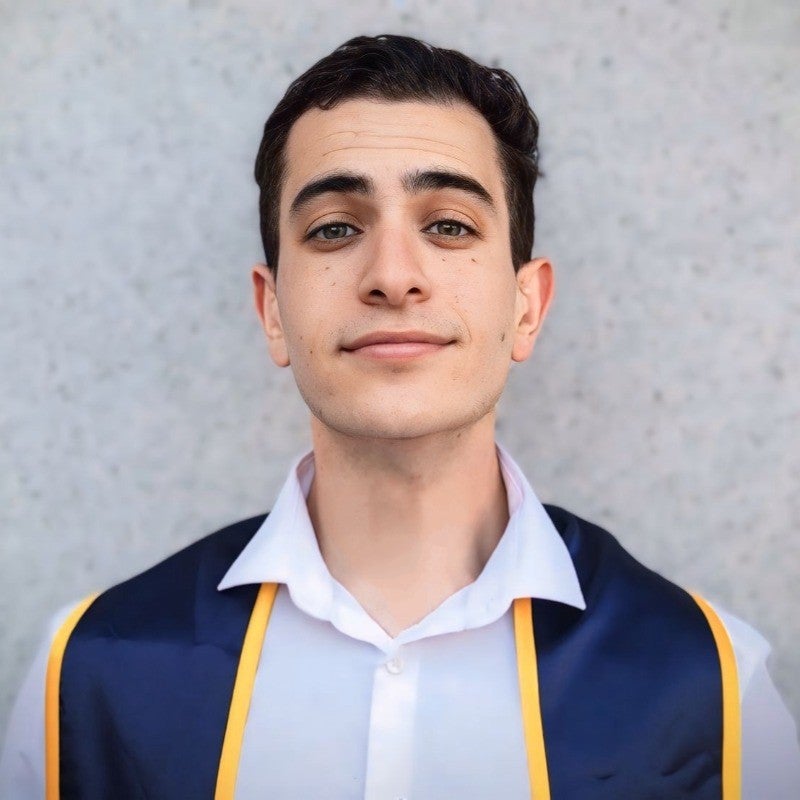
Patrick Takla (G’26, M’30)
“It’s respected because it’s the most academically challenging of the SMP programs,” said Patrick Takla (G’26, M’30), president of the SMP’s 51st graduating class.
In addition to imparting medical and biomedical knowledge, the program helps its students to build confidence in their abilities. Many Physios join the program after receiving rejection letters from medical schools, and might feel “a little bit defeated,” Whitney said. They might have struggled in a competitive bachelor’s program, missed out on opportunities due to illness, or otherwise fallen short of the lofty standards medical schools set for their applicants. The SMP year is their opportunity to prove to med schools and themselves that they have what it takes.
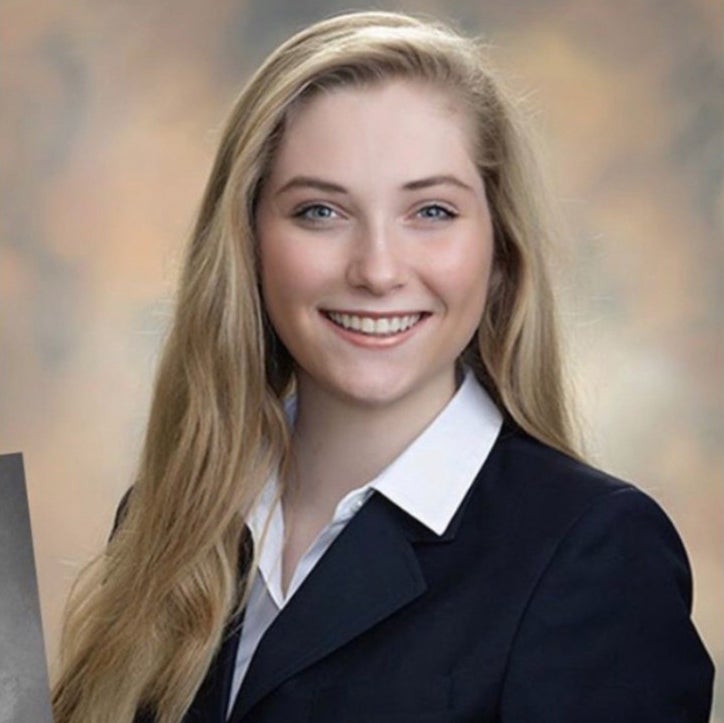
Sloan White (G’25, M’29)
“It is academically really, really, challenging, but at the same time it’s so extremely rewarding – especially when you get to succeed in it,” said Sloan White (G’25, M’29), who’s now a Georgetown first-year medical student.
Doing the SMP and doing well in it, it really gives you the mindset, like, ‘Oh, I can handle this, I can do this.’
Sloan White (G’25, M’29)
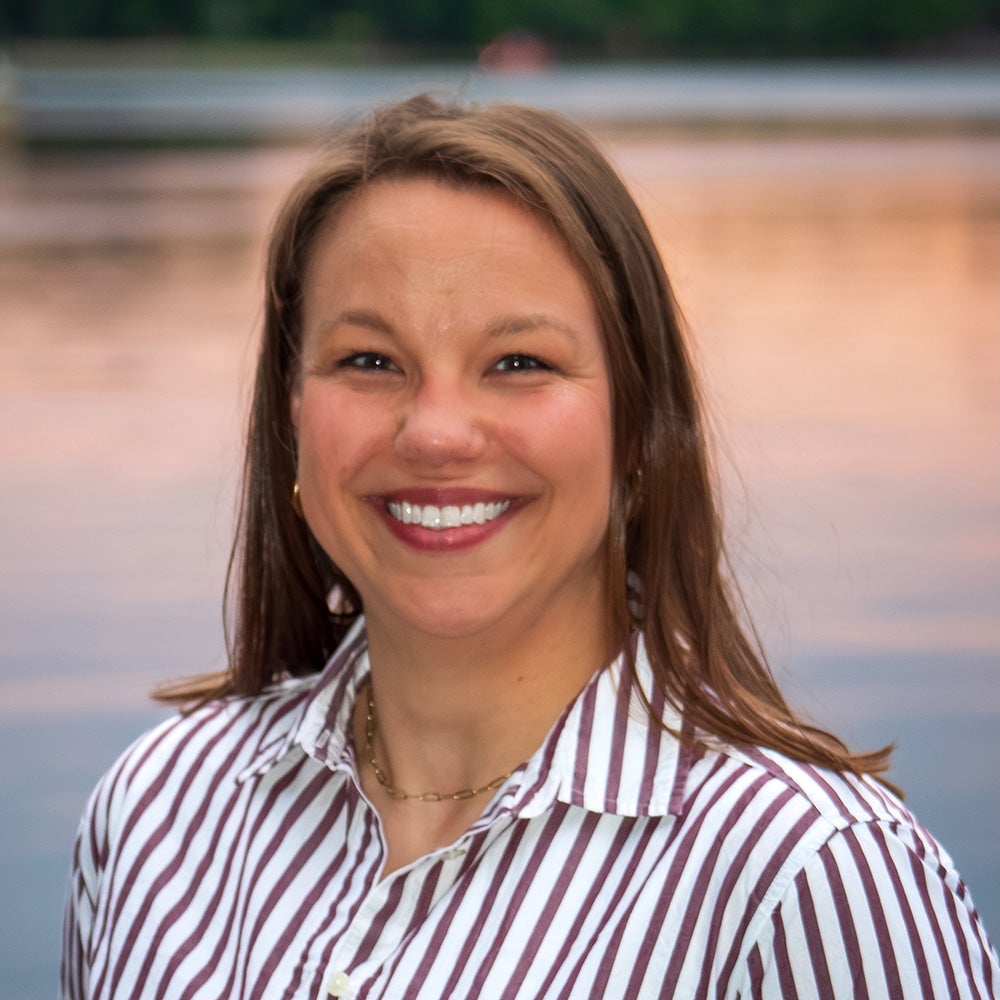
Kinney Van Hecke (G’26, M’30)
For Kinney Van Hecke (G’26, M’30), the SMP provided a new perspective on a familiar campus. Van Hecke worked for six years in research at Georgetown’s Center for Functional and Molecular Imaging (CFMI) before deciding to pursue clinical medicine. She applied to the SMP for the dual purpose of “a final step to confirm that I was ready to make the commitment to medicine, and to build the study skills and knowledge base to help me succeed as a future medical student.”
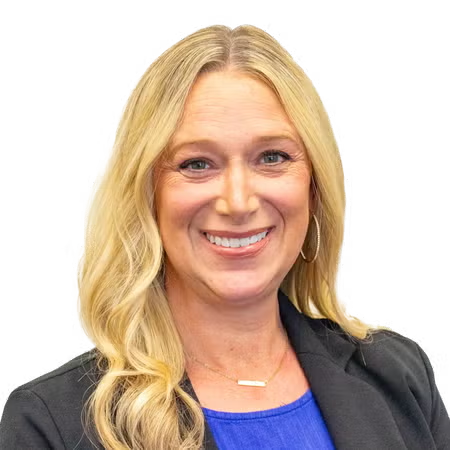
Amy Richards
“It really hones their study skill habits, their test-taking skills, their time management skills,” said SMP Assistant Director Amy Richards. “Whether they go to Georgetown or another medical school, they come in so well prepared and ahead of their peers in their first-year med school class that they tend to be leaders at the med school level.”
That ambition to do more shows up far into Physios’ medical careers, said Professor Emeritus Adam Myers (G’82), who served as director of the SMP from 1993 to 2006 and has helped to run two other Georgetown master’s programs: Addiction Policy & Practice and Health and the Public Interest.
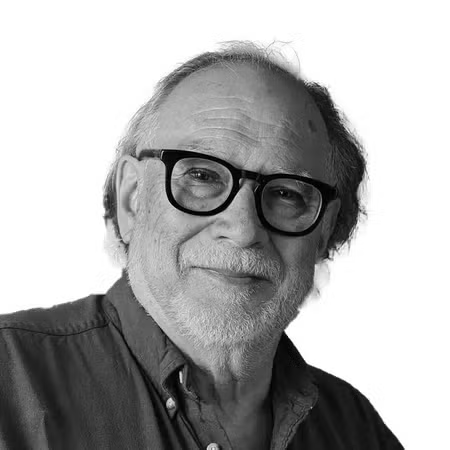
Adam Myers (G’82)
“The trajectory out of medical school for an SMP graduate is much greater than the typical medical student,” Myers said.
“We have people that go into family medicine and do great at it. And we have a disproportionate number of surgeons and research-intensive physicians. … They’re go-getters.”
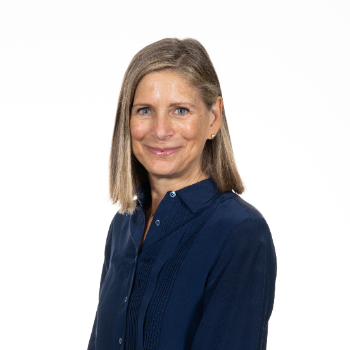
Jenifer Aventuro Luck (G’89, M’93, R’97, P’21, P’23)
“That [SMP] year is really transformative. You develop habits that stay with you the rest of your life,” said alumna Dr. Jenifer Aventuro Luck (G’89, M’93, R’97, P’21, P’23). Luck works as a pediatric ophthalmologist in Maryland, is a clinical assistant professor of ophthalmology at Georgetown, and serves on the university’s Medical Alumni Board.
“You don’t want to leave anything on the table,” Aventuro Luck said. “You learn to dig deep and do the best that you can at any given moment.”
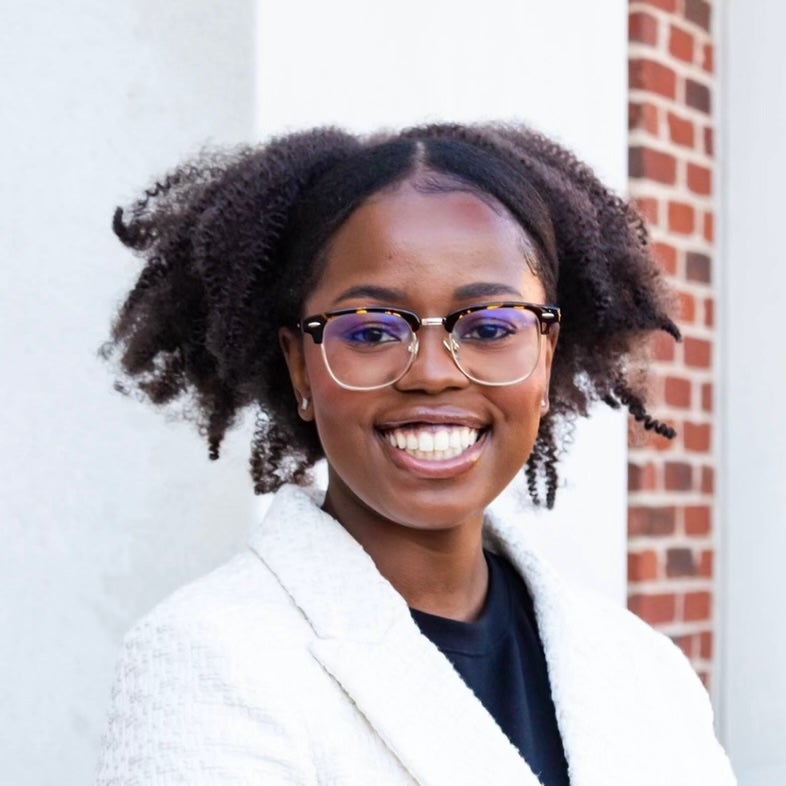
Toni Booth (G’24, G’26, M’30)
Toni Booth (G’24, G’26, M’30) shows the extremes to which some Physios push themselves. She attended the SMP this past year while commuting to Richmond for her full-time job as an anesthesia tech at VCU Medical Center.
Booth, who is also an Air Force reservist, previously earned a master’s from Georgetown’s Health and the Public Interest program. Her desire to work with underserved populations motivates her to pursue a medical degree.
Her advice for future Physios: “Realize that this program is a lot of work, but it’s worth it. And it can teach you a lot about how you are as a person, especially under stress, and how to manage a large coursework. … Also, you learn a lot about the environment that you want to be in for med school, if this is the journey that you actually want to be in, and to not take it for granted. Use this opportunity to the full extent.”
Connect with the SMP
‣ Prospective student webinars
‣ Follow us on Instagram and Facebook
‣ Contact us at physio@georgetown.edu
Trailblazing Training
The Special Master’s Program has evolved continuously to keep offering students the best possible education. Along the way, it has pioneered technologies and techniques that now benefit students across the university.
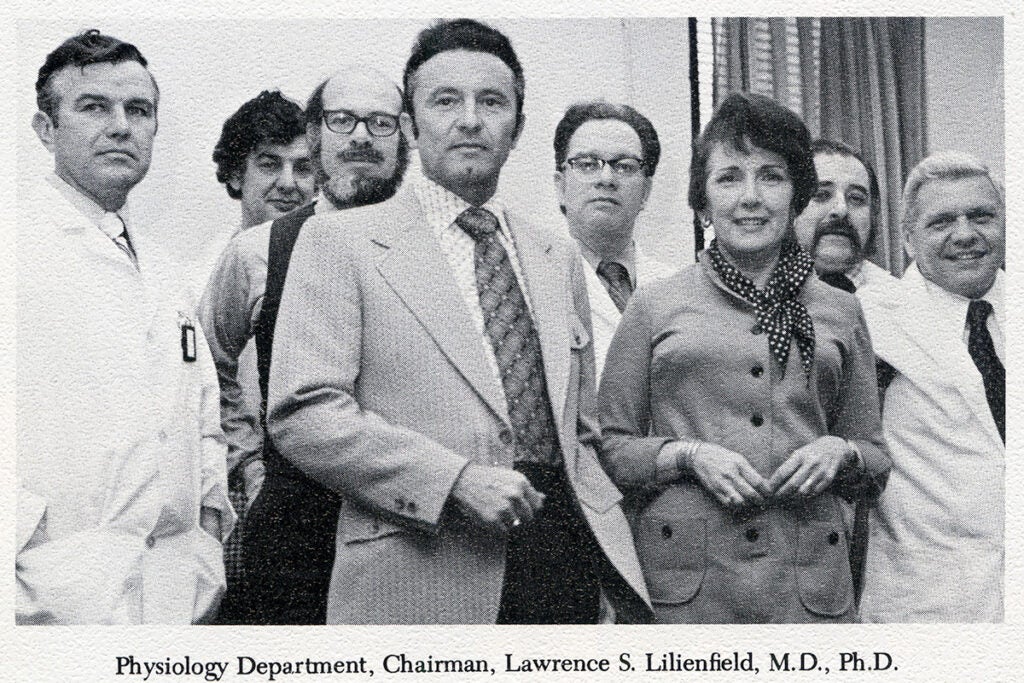
SMP founders Lawrence Lilienfield, center, and Estelle Ramey pose with fellow preclinical faculty in a photo from the 1975 edition of The Apollonian, the yearbook of Georgetown Dental School.
The SMP began in 1975, the creation of physiology and biophysics chairman Lawrence Lilienfield and endocrinologist and renowned feminist Estelle Ramey. The unprecedented program sought to “throw [students] in the medical school and show that they can do it,” Mulroney said.
“It was weird in a lot of ways,” she said. “One is, put graduate students in the medical school classes and grade them against the meds. And the other thing was, make it an 11-month program as opposed to two years,” the norm at that time. “’How can you get all of the material in?’”
“But that’s the exact point. If you’re throwing all of this at a medical student, and you want to know whether this particular [pre-medical] student can make the grade … you throw them in that environment.”
The program grew slowly to about 50 or 60 students by the mid-’90s, then jumped to well over 100 per year by the mid-2000s. There were around 200 Physios each year into the 2020s, and the headcount is currently climbing back from a post-COVID dip.
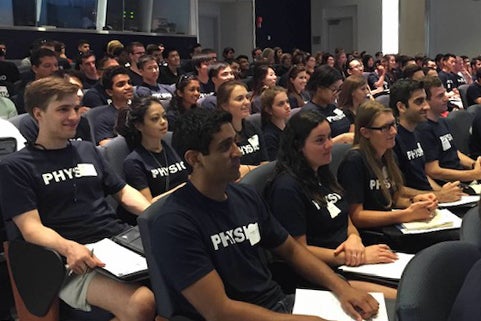
New SMP students attend orientation in 2015. Photo courtesy of Amy Richards.
Growth came with challenges. Larger classes meant a lower portion of the Physios were admitted to Georgetown’s School of Medicine, causing “kind of a shock to the program,” Myers said. And as the SMP’s prestige grew, more universities across the country began offering programs that sought to offer a similar experience to aspiring physicians.
In growing larger and keeping ahead of the competition, the Georgetown program became a proving ground for new ways of teaching. The SMP was a leader in recording lectures – first on cassettes, later online – so Physios could receive the same instruction as medical students. The practice allowed the program to expand beyond its original home on the Hilltop, and helped it to pivot to online learning during the COVID-19 pandemic.
The SMP also commissioned an app that allowed Physios to step through a human dissection without overflowing the med school’s dissection room. And they invested in active learning, introducing smartboards to make lessons more engaging.
SMP faculty teach medical students as well as Physios, allowing them to stay up to date with changes in medical pedagogy. In 2017, the SMP’s curriculum shifted from disciplines (anatomy, histology, embryology, etc.) to body systems (renal, cardiovascular, endocrine, etc.), mirroring changes at the School of Medicine.
Accomplished Faculty
SMP faculty are prominent educators, and have been recognized with Georgetown University School of Medicine’s Golden Apple Awards and MAGIS Society of Master Teachers membership, as well as the American Physiological Society’s Arthur C. Guyton Distinguished Educator of the Year Award.
The program also expanded its geographic footprint. After gaining experience from a Manassas-based collaboration with George Mason University, the SMP opened its Georgetown Downtown campus in 2015. Now known as the Capitol Campus SMP, the cohort offers the SMP curriculum to a smaller cohort of about 30 students in a “flipped classroom” format – listen to lectures at home, practice together in class.
The alternative approach to coursework is part of “recognizing that there are different learning styles,” said Whitney, who served as the SMP’s assistant director starting in 2008 and its director since 2021.
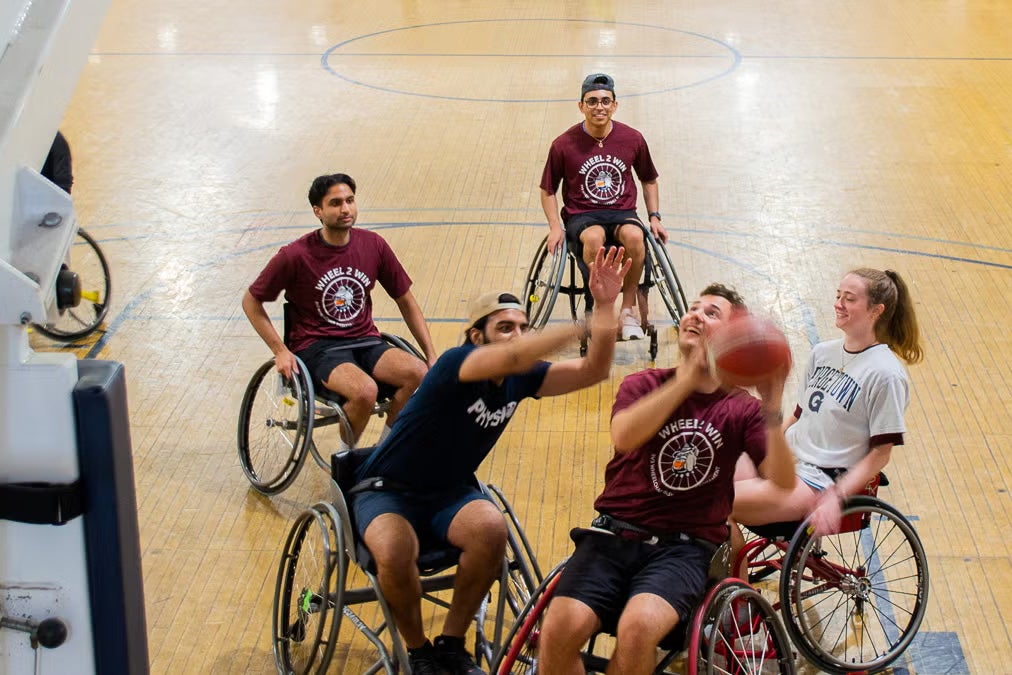
Physios play wheelchair basketball during the Wheel 2 Win fundraiser tournament in 2023.
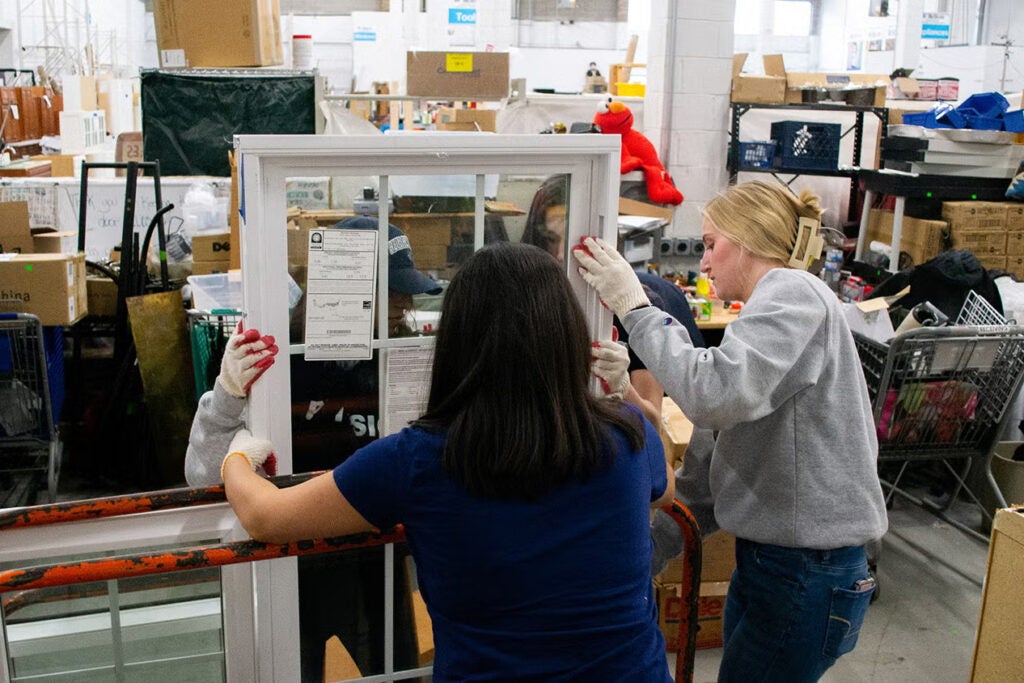
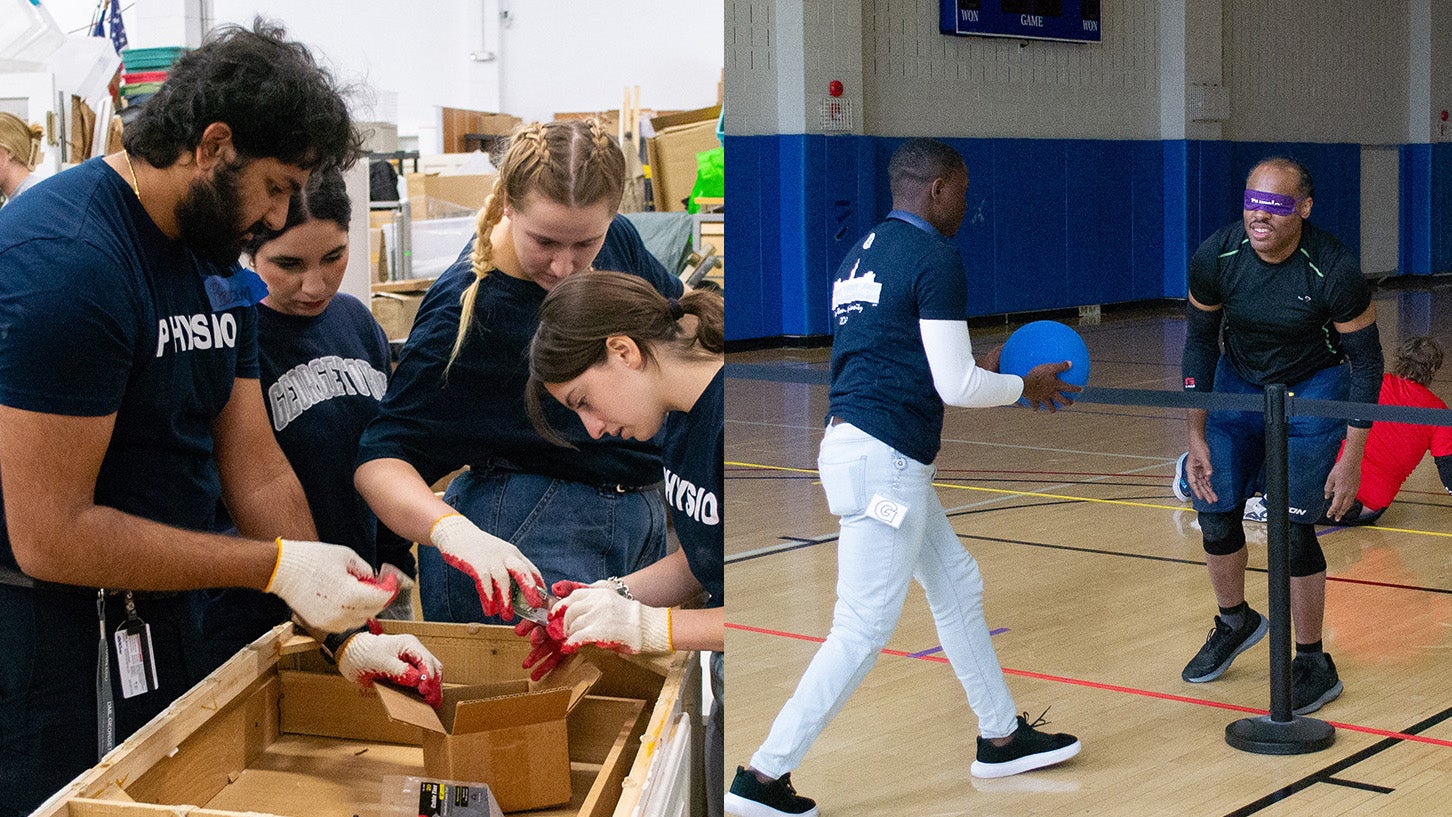
Physios move a window at the Habit for Humanity ReStore in Alexandria in 2023.
The Capitol Campus SMP also appeals to Physios interested in community service and clinical experience. Its Biomedical Career Explorations course sends students to emergency departments and operating rooms, disability organizations, food kitchens, first responder ride-alongs, and community events. Students have hosted wheelchair basketball fundraiser competitions, organized and run in 5Ks for charity, and volunteered at a Habitat for Humanity ReStore and goalball practices for blind athletes, among many other activities.
Facilitating these activities is Physio alumna Holly Frost (G‘01). When she became the SMP’s clinical and service director in 2015, she had already experienced the program as a student – and as a former paramedic program director, she had connections all over the D.C. area that she could build on to create opportunities for future cohorts.
Frost said she aims to plan activities that challenge students and build their communication skills outside of academic settings.
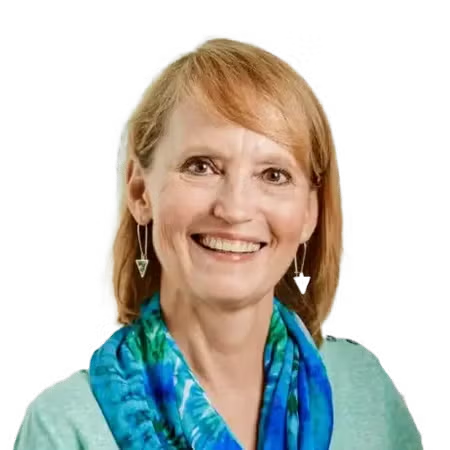
Holly Frost (G’01)
“I tell [students] from the very beginning … for everybody, there’s going to be at least one experience that really pushes your boundary of a comfort zone – and that’s OK,” Frost said. “It’s good to navigate what does that feel like, because that’s what medical school is going to be all about, and I want them to have that early exposure.”
Activities in the community also bring together students and alumni. SMP graduate Dr. Evan Argintar (G’02, M’06, R’11), an orthopedic surgeon specializing in sports injuries, hosts Capitol Campus Physios at his practice in Gaithersburg, Maryland, to “show them what medicine is like” outside of the classroom.
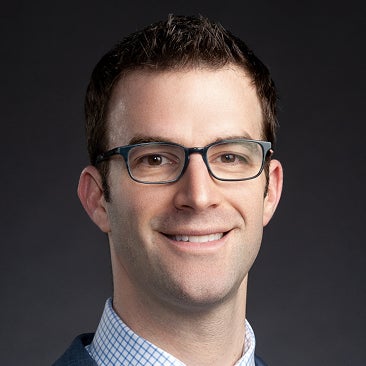
Evan Argintar (G’02, M’06, R’11)
Argintar came to the SMP after facing challenges getting into med school. He completed the program, then made it through Georgetown University School of Medicine. Before his current role, he worked as an orthopedic residency director at MedStar Washington Hospital Center and cared for professional athletes as a team doctor for the Nationals and Wizards.
Argintar called the SMP “a secret brotherhood and sisterhood” bonded by extraordinary effort and perseverance. Program faculty helped him to build his study skills and get into med school, and now he is “happy to add to that mentorship on the back end of things.”
Physios also take part in service events. As class president, Takla helped to organize “teddy bear clinics” at Children’s National Hospital and the Children’s Inn at NIH. Physios guided pediatric patients as the children learned about medical procedures by ministering to stuffed bears and dolls.
“The SMP really does give you a lot of opportunity and push you to get involved and serve the greater Washington, D.C., community,” Takla said.
Share Your Story
Alumni are invited to fill out our virtual interview form with accomplishments, motivations, and advice for students to be featured on the SMP website.
Some of the SMP’s most recent developments bring it even closer to the Georgetown medical education program. In summer 2025, the SMP and the rest of the Biomedical Graduate Education programs officially moved into the School of Medicine, an opportunity to integrate expertise across medical and biomedical disciplines. And in spring of the same year, the SMP and the School of Medicine announced a formal linkage that guarantees medical admissions interviews to current SMP students who meet academic benchmarks.
The formal linkage with the School of Medicine doesn’t represent a change in practice, but rather a recognition of existing practice. The med school already tends to interview 40 to 50 percent of Physio applicants each year.
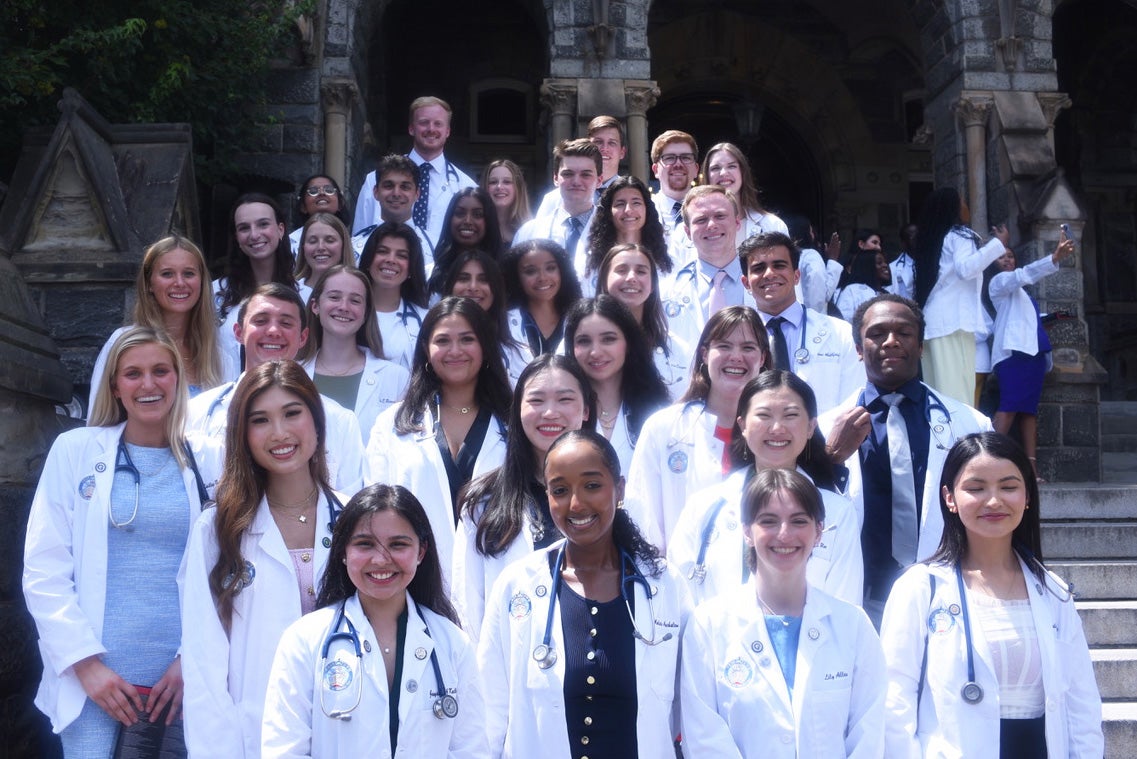
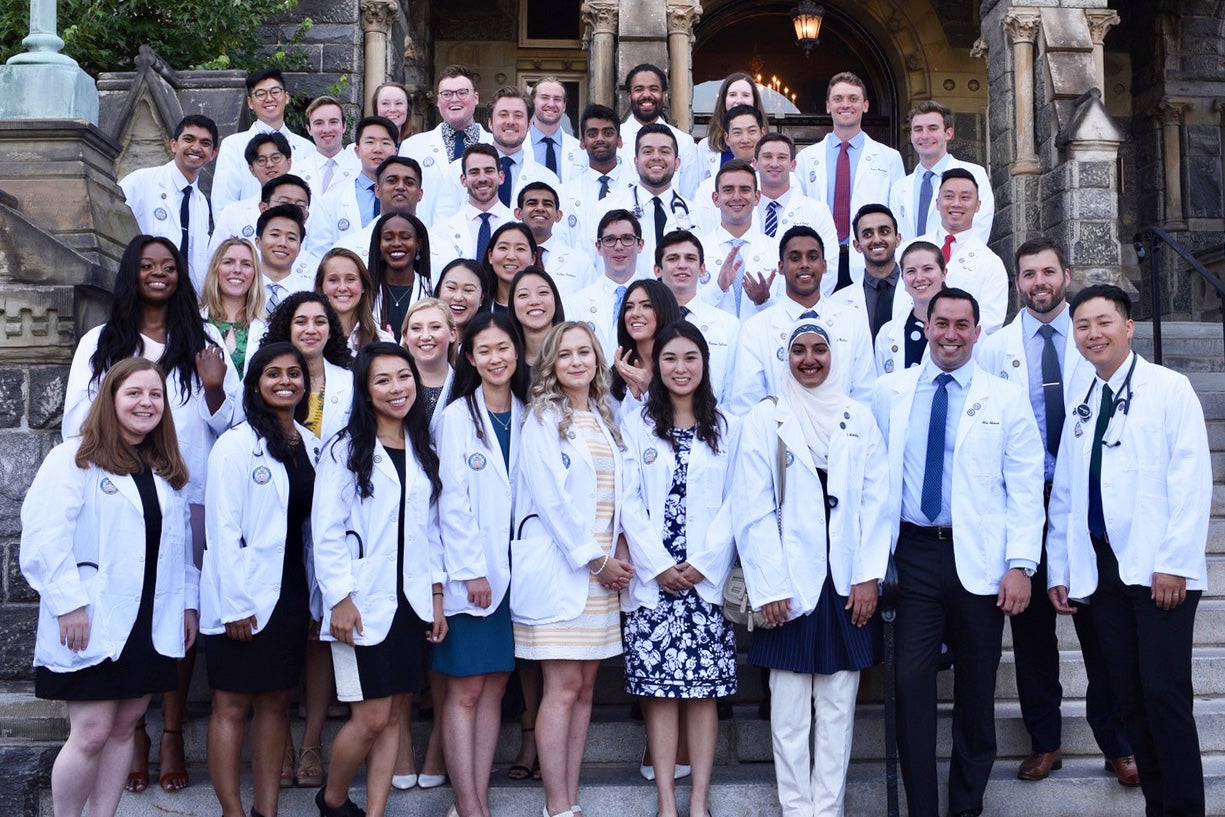
End of carousel collection.
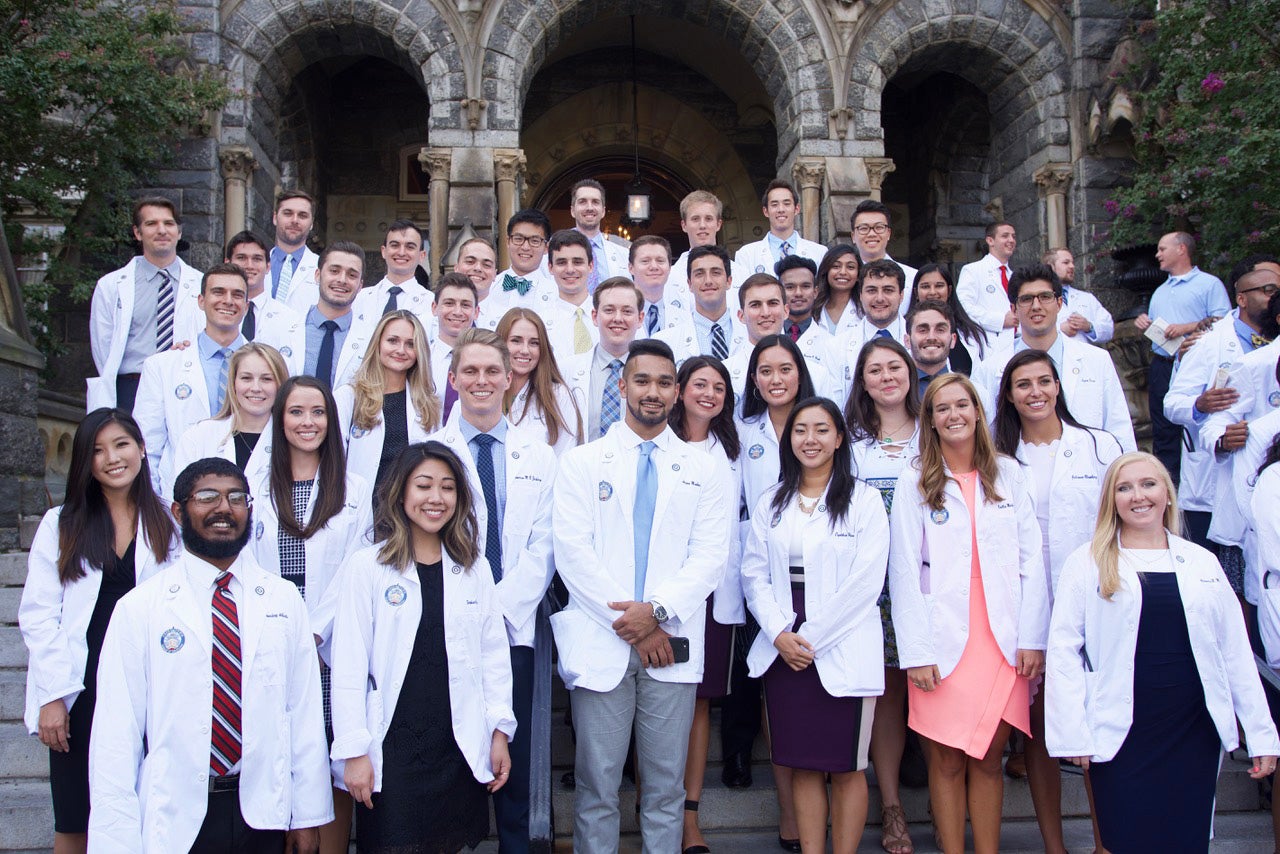
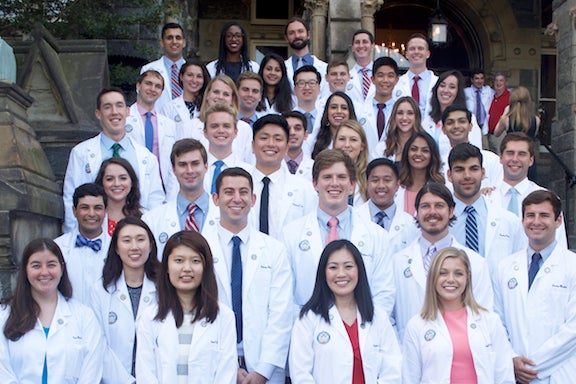
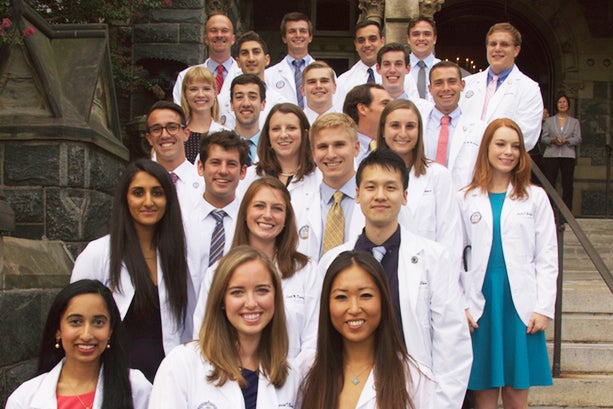
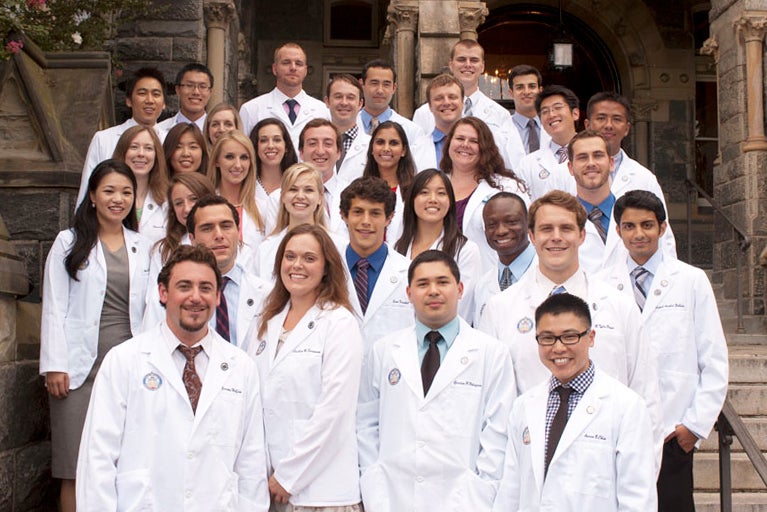
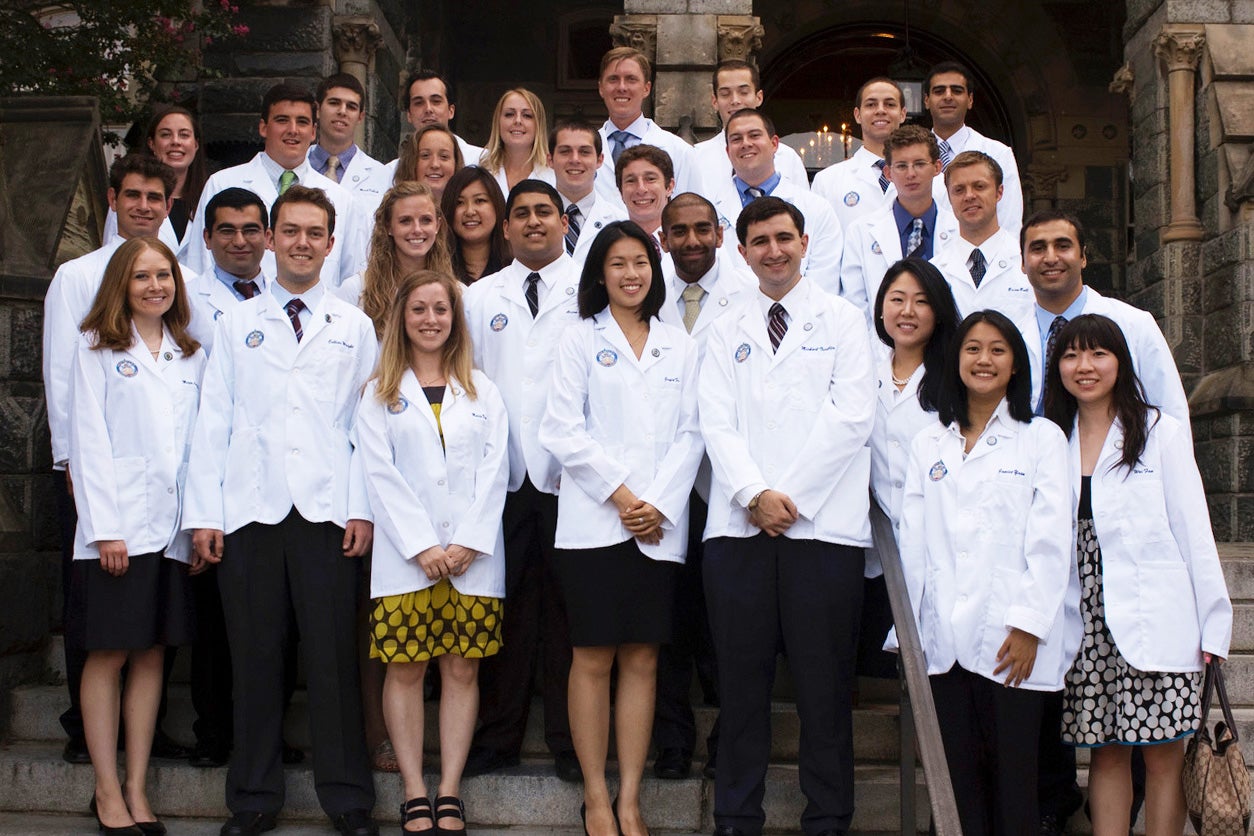
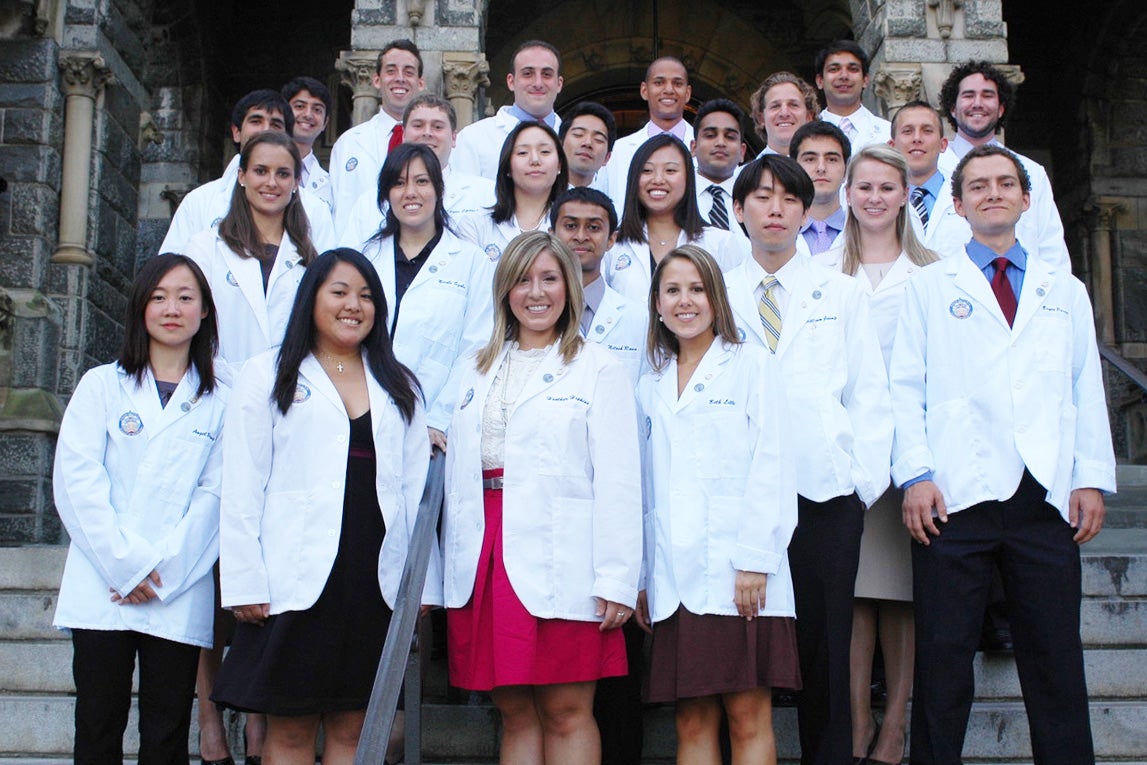
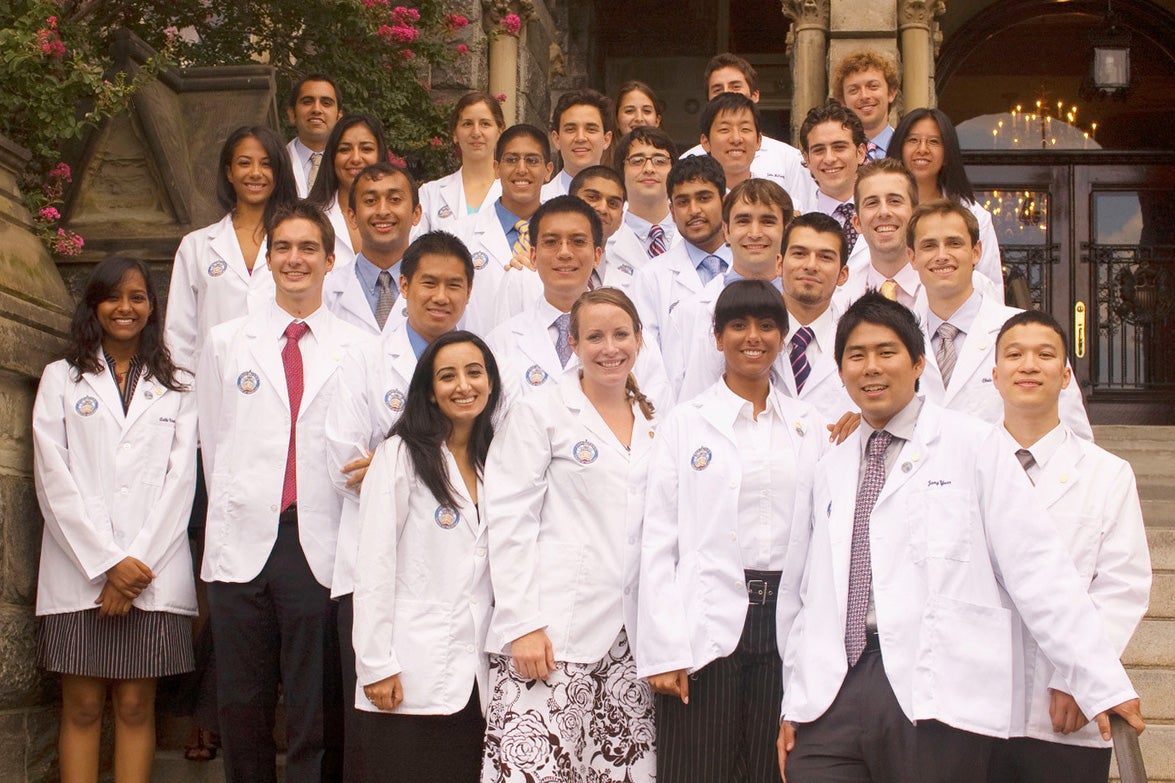
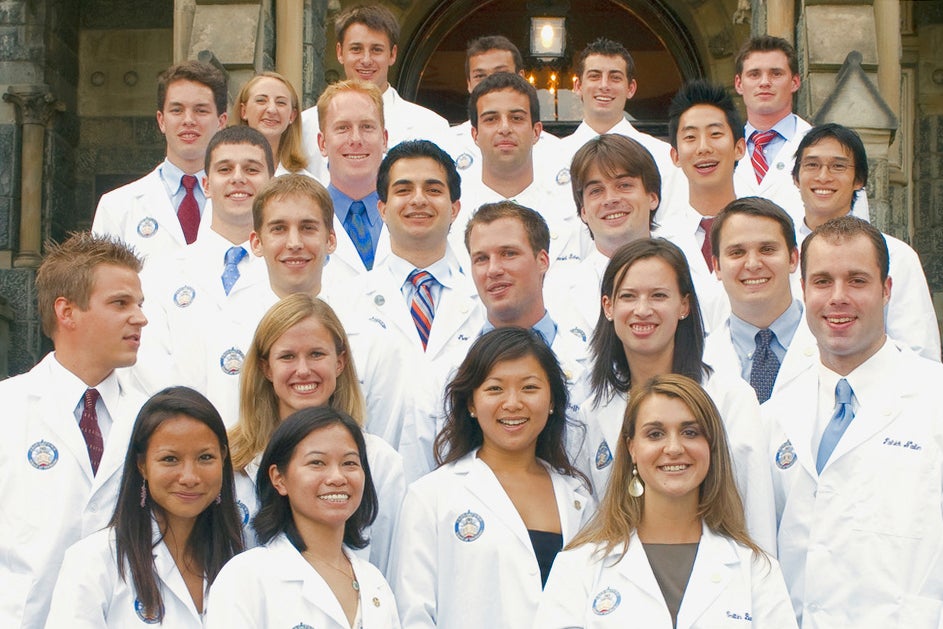
Georgetown White Coat Physios
SMP alumni entering the Georgetown University School of Medicine pose for a group photo each year at the White Coat Ceremony. Photos courtesy of Thomas Sherman.
“It’s just now written down that they have to interview a certain group of people” from the SMP, Richards said. “But the amount of people that they interview has not really changed over the years. … The history of how we’re valued by not only Georgetown, but other med schools, is longstanding.”
This is an exciting moment for Georgetown’s Special Master’s Program. For decades, the SMP has helped aspiring physicians and health professionals realize their ambitions. Today, roughly 85% of Georgetown SMP graduates are accepted to medical school. This is more than twice the national average, reflecting the strength of the program, the dedication of its faculty, and the talent of its students.
Norman J. Beauchamp Jr., M.D., MHS, Executive Vice President for Health Sciences, Georgetown University Medical Center; Executive Dean, Georgetown University School of Medicine
A Community of Care
The SMP’s value is bolstered by the accomplishments and involvement of its nearly 6,000 alumni. The structure of the master’s program encourages Physios to support one another in pursuing ambitious achievements.
One of the program’s big challenges – grading on the med school curve – contributes to a “warm and welcoming” environment, White said, as Physios work together to compete against the med students.
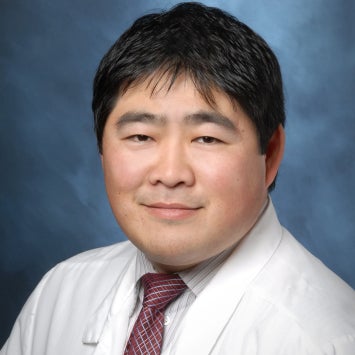
Tsuyoshi Todo (G’01, M’06)
Todo (G’01, M’06) recalled that he and two friends would push one another to wake up early on Saturday morning and hit the books. The last out of bed was on the hook for breakfast.
“I would pick them up at 7 or 8 in the morning, we’d go get McDonald’s breakfast, and then we’d go to the library and we’d study all Saturday,” Todo said. “That was the level of intensity. … While the medical students were asleep, the Physios were still studying in the library, and then we kept going. … What that did was really make me realize that there was no limit to how hard you can work.”
Many of the Physios who stay at Georgetown for their medical studies say that the SMP experience gives them an easier onramp to the M.D. program. They use that breathing room to help peers and new Physios.
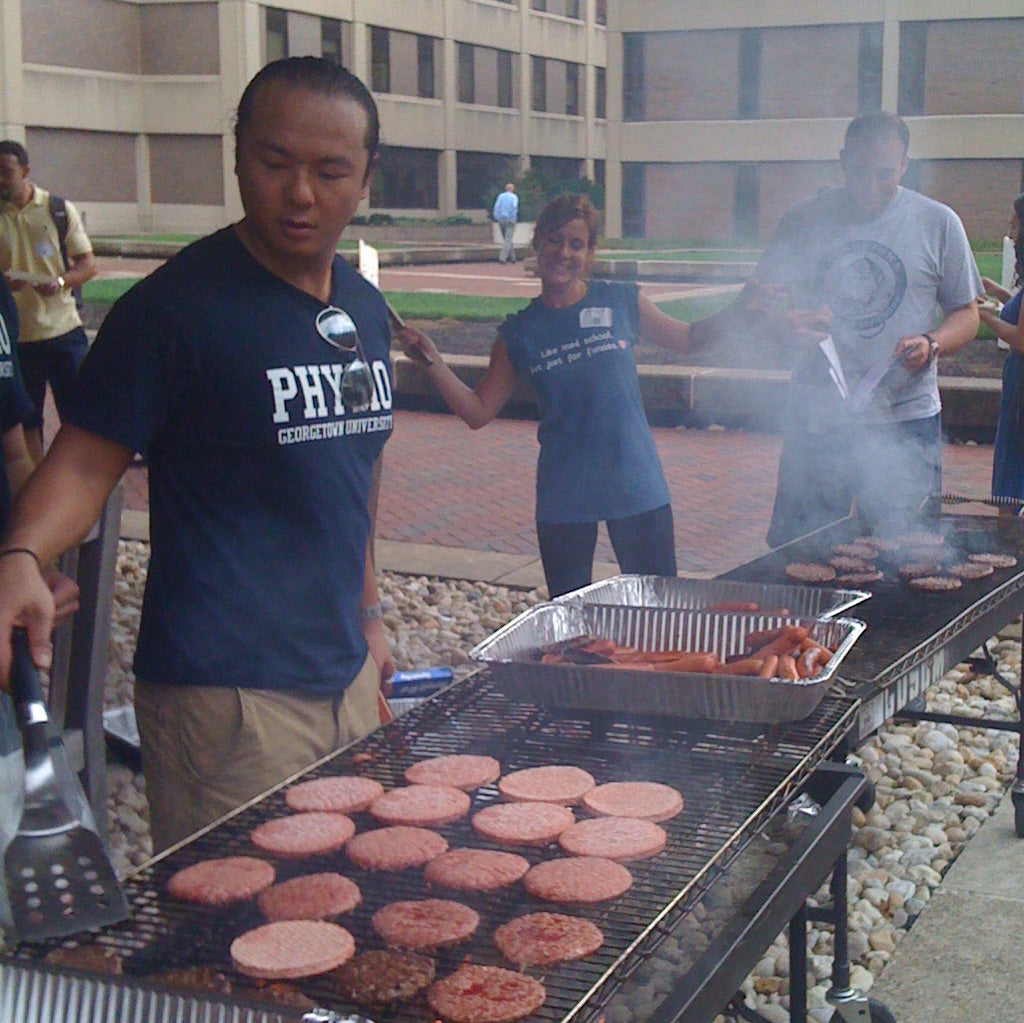
Grilling at an SMP event. Photo courtesy of Susan Mulroney.
“I wanted to be really involved as a [SMP] Big Sib because my Big Sib last year was super involved, she was super helpful,” said White (G’25, M’29). “I would not have made it through if it weren’t for her help. … So [as a first-year medical student] I want to make sure that people know they have someone in their corner they can turn to when they need it.”
Pairs of Big Sibs are each assigned 10 “Littles” in the SMP. White checks in with her Littles with motivational texts, gives advice on studying and admissions interviews, and runs review sessions before exams.
“Part of the reason I’m doing medicine is because I like helping people, and it was a chance for me to help people who were in the same position I was in last year,” she said.
Former Physios are also pillars of the Georgetown alumni community. Aventuro Luck and her husband, Dr. Steve Luck (G’86, M’90, P’21, P’23), have both served on the Medical Alumni Board to support current med students, some of whom they meet through the Dine with a Doc program.
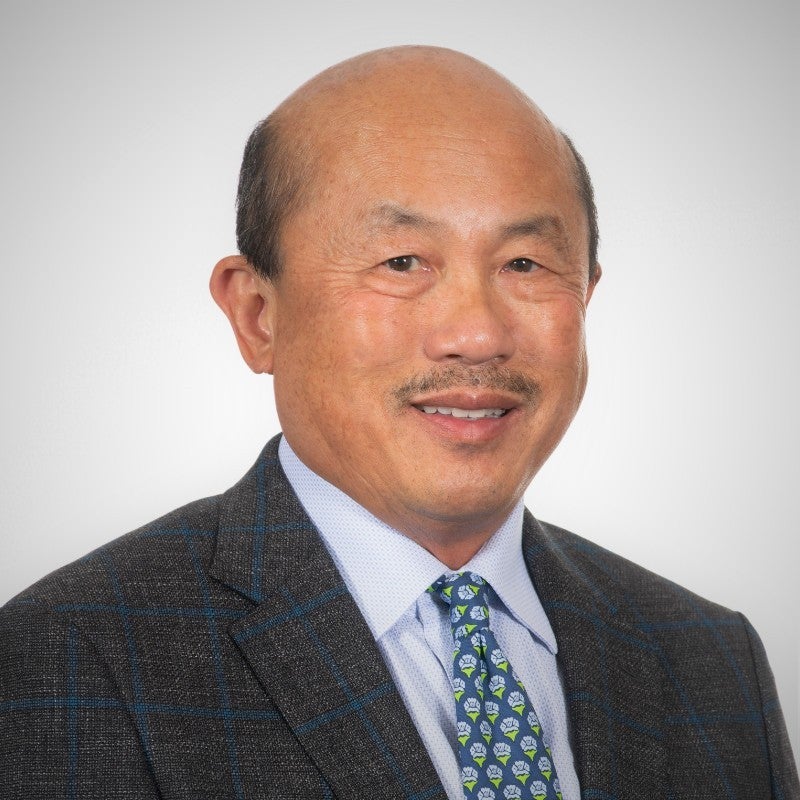
Steve Luck (G’86, M’90, P’21, P’23)
“There’s not even a question about how much we believe the SMP, but also Georgetown School of Medicine and Georgetown at large has affected our lives,” said Steve Luck, who is medical director of the MedStar Surgery Center at Lafayette Centre and a Georgetown clinical assistant professor of anesthesiology. “So for us, it’s easy to give back, because it’s done so much for us. And I think it all started with the SMP. Being an SMP helped us develop the grit needed to successfully navigate medical school and a career in medicine at large.”
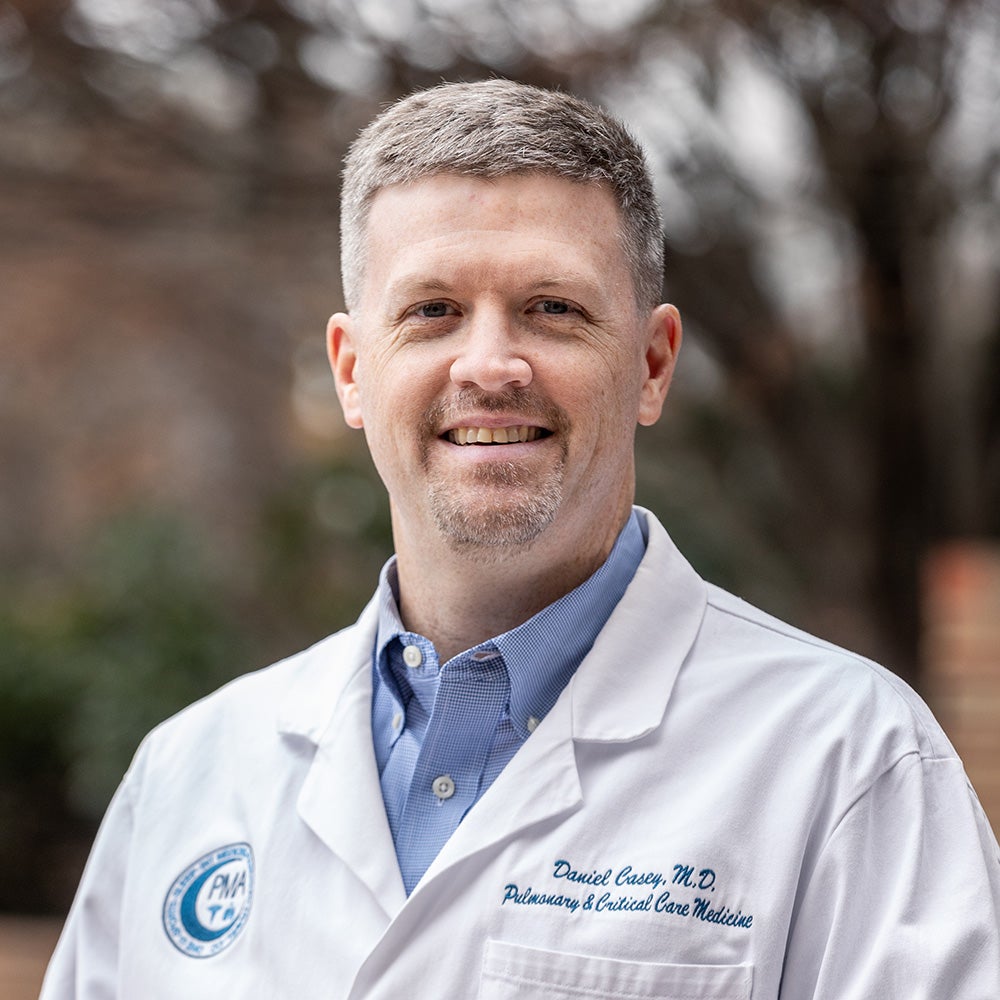
Daniel B. Casey (G’01, M’06, R’10, F’13)
Dr. Daniel B. Casey (G’01, M’06, R’10, F’13) directs the 28-bed intensive care unit at Virginia Hospital Center, a Level II trauma center in Arlington. He came to the SMP expecting to go into family medicine, but later as a Georgetown med student he became interested in pulmonology and critical care. Today, as a Georgetown medical instructor, he teaches Georgetown fourth-year med students as well as internal medicine residents from MedStar Georgetown University Hospital.
“It’s really fun when I have … a fourth-year student, or a resident or intern or somebody, who comes through our ICU and says, ‘Dr. Casey, I was a Physio!’,” Casey said.
“I think every Physio has a bond with every other Physio. Like, even if [it’s] 20 years’ difference … they always have a special place in your heart … because we know what everyone else has been through.”
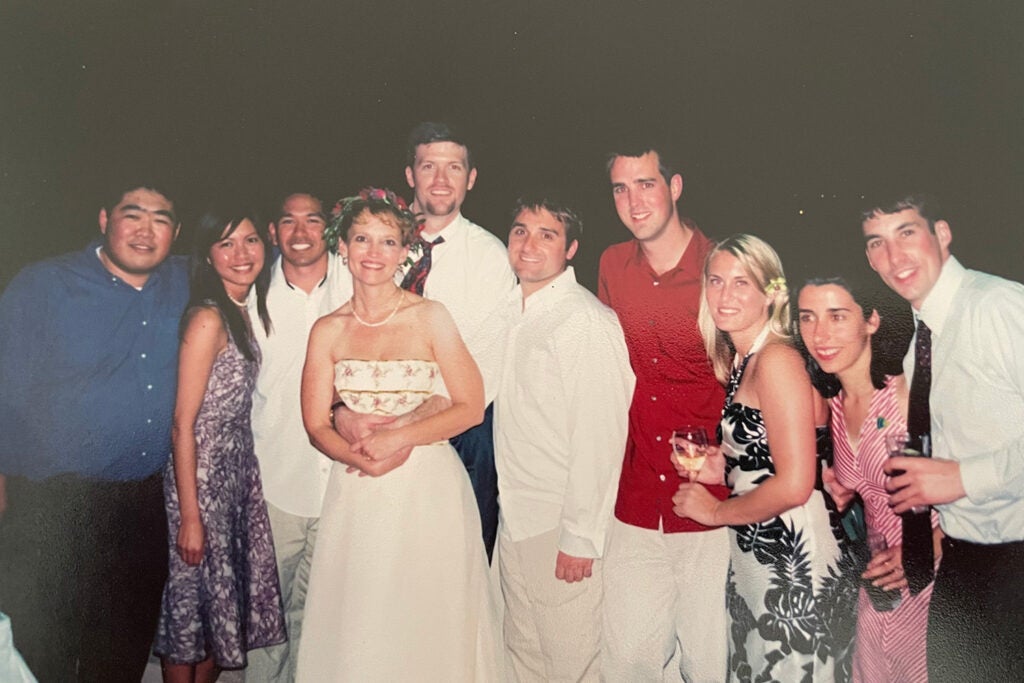
Holly Frost (G’01) and Daniel B. Casey (G’01, M’06, R’10, F’13) celebrate with Physio friends at their wedding in 2005. Photo courtesy of Holly Frost.
Casey has an extra special bond with one fellow Physio: after working together in an SMP study group, he and Frost got married in 2005. Some of their former classmates drove a rented minivan from D.C. to Key West for the wedding, then back up for med school classes.
On the West Coast, Todo was happy to hire a former Physio as a transplant surgery fellow at Cedars-Sinai a few years back: “I knew that he could handle the grit of transplant training – and he did great.”
SMP Alumni Career Panel
Each year during the Medical & Dental Reunion weekend in November, the SMP welcomes alumni to sit on a career panel to share their experience with current students. If you’d like to get involved, please contact the program at physio@georgetown.edu.
Dr. Bruce Kahn (G’86, M’90), a gynecologist and surgeon at Scripps Clinic in San Diego, finds time between from teaching naval medical residents and working on device validation trials to sit on SMP alumni career panels during the Medical & Dental Reunion weekend. He said the SMP gives its students a boost in experience and maturity before entering med school – an advantage he sees in his Navy residents who served at sea before their medical studies.
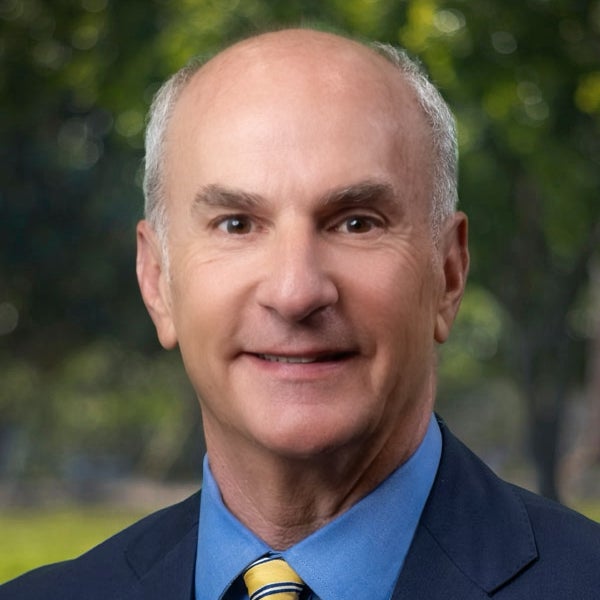
Bruce Kahn (G’86, M’90)
“I teach, I do research, I do stuff with Georgetown,” Kahn said. “I do stuff even with my undergrad school, with [the University of California, Irvine], and in my fraternity. … I do give back [in] a lot of ways, and I think a lot of that comes from my appreciation of the opportunity I was given through [the SMP] to matriculate into medical school.”
Physios also find successful careers outside of medicine. Myers recalled alumni doing “remarkable things” in many fields: successful lawyers, a neuroscientist with his own lab, a doctor of history.
Frost (G’01) enrolled in the SMP to advance her career as a medical instructor. After graduating, she got a promotion, opened a gross anatomy lab at Northern Virginia Community College, and taught thousands of civilian, police and military medics. Her lessons appear in textbooks and teaching videos around the country.
The master’s program “empowered me to know a lot about physiology at a level that a paramedic wouldn’t normally know, [and] it gave me the communication tools to be able to explain it,” Frost said. “The SMP has such amazing professors, and they really empowered me and helped me be a better teacher.”
Outside of classes and careers, Physios speak fondly about the friends and loved ones they met through the program. They maintain cross-country group chats, visit at reunions and vacations, and trade wedding invites. Some of those weddings are for couples who spent time together during the master’s or M.D. program – or, in the case of Mulroney and Myers, as SMP faculty.
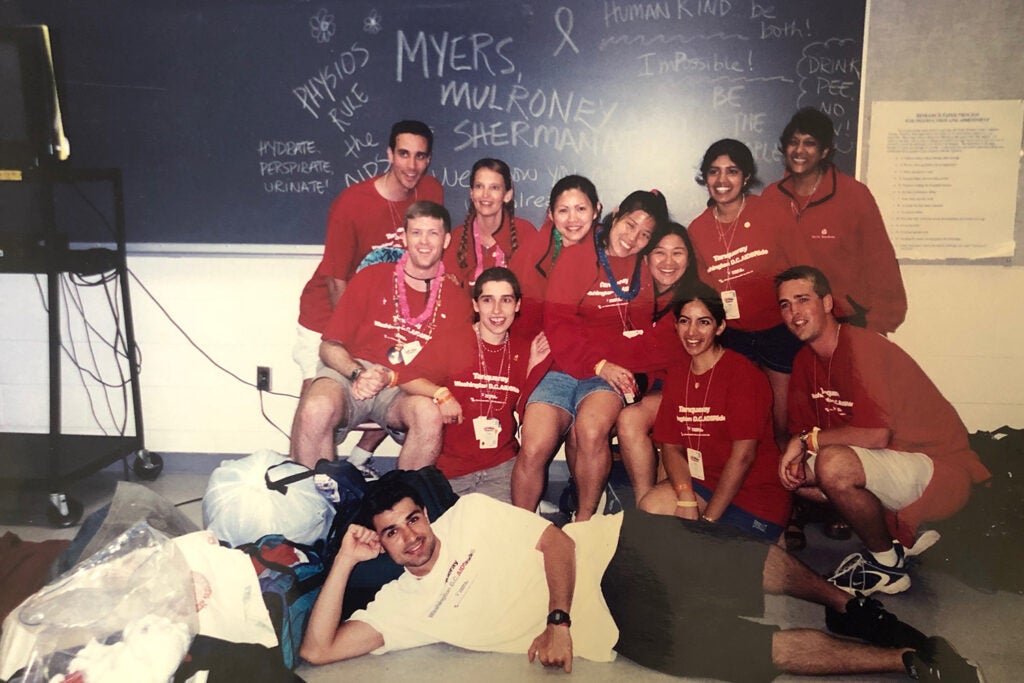
Members of the SMP Class of 2001 volunteered on the medical team for the Washington, D.C., AIDS Ride. Photo courtesy of Holly Frost.
Myers reflected on the SMP as a special group, bound together by effort and ambition, supporting one another and caring for communities across the country.
“I know 5,000-some students out there that I might not remember them or their names, but they remember me and Sue and Jenny Whitney or whomever,” Myers said. “When Sue and I travel, it’s not unusual for us to visit a former student somewhere who’s a doctor or a resident.”
“I think we’re all lucky to come from this large, but fairly tight-knit community that is not just a school program, right? It’s something that was a central part of these people’s development as physicians and attaining goals that are usually difficult to attain, and very rewarding for these people. So, it’s good to stay connected.”
Stay In Touch with the SMP
‣ Follow us on Instagram and Facebook
‣ Contact us at physio@georgetown.edu
‣ Alumni are invited to fill out our virtual interview form with accomplishments, motivations, and advice for students to be featured on the SMP website.
‣ Donate to support future Physios
More Physios in Action
More SMP News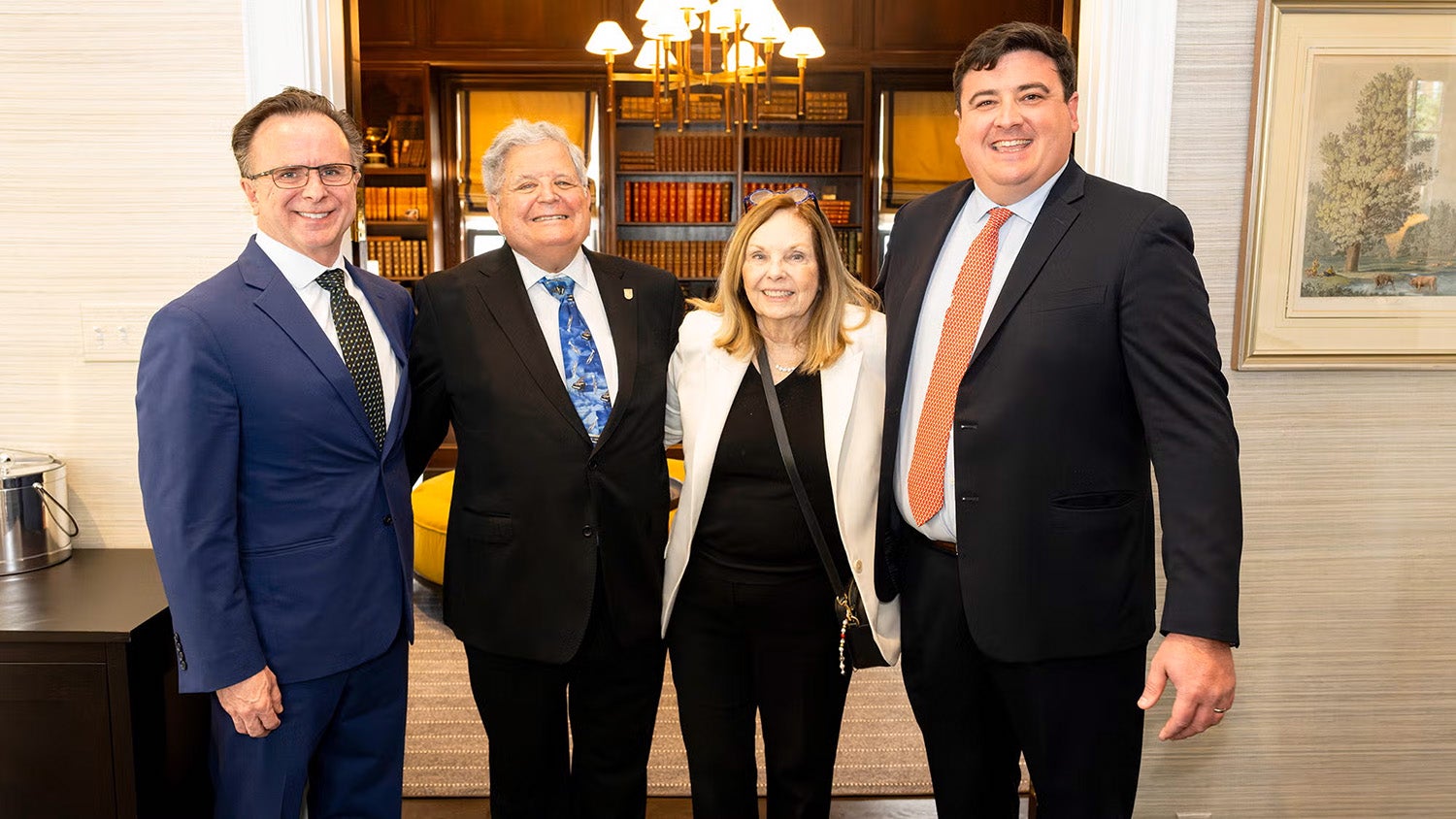
Alumni, News
SMP Alumnus Named Oppenheim Endowed Chair in Pediatric Orthopaedics
Ryan Murray (G’10, M’14), an associate professor of orthopaedic surgery at Georgetown University School of Medicine, was officially named the William and Patricia Oppenheim Endowed Chair in Pediatric Orthopaedics at a celebration during Georgetown’s medical and dental alumni weekend.
December 3, 2025
News
BGE in Photos: SMP Students Make a Difference in the Community
Pre-med students in the Special Master’s Program in Physiology balance intensive coursework with community service. Follow their efforts in photos and reflections from participants.
December 22, 2023